Description
ATMega32 Microcontroller
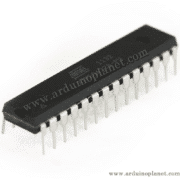
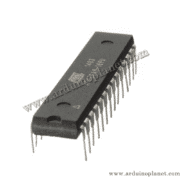
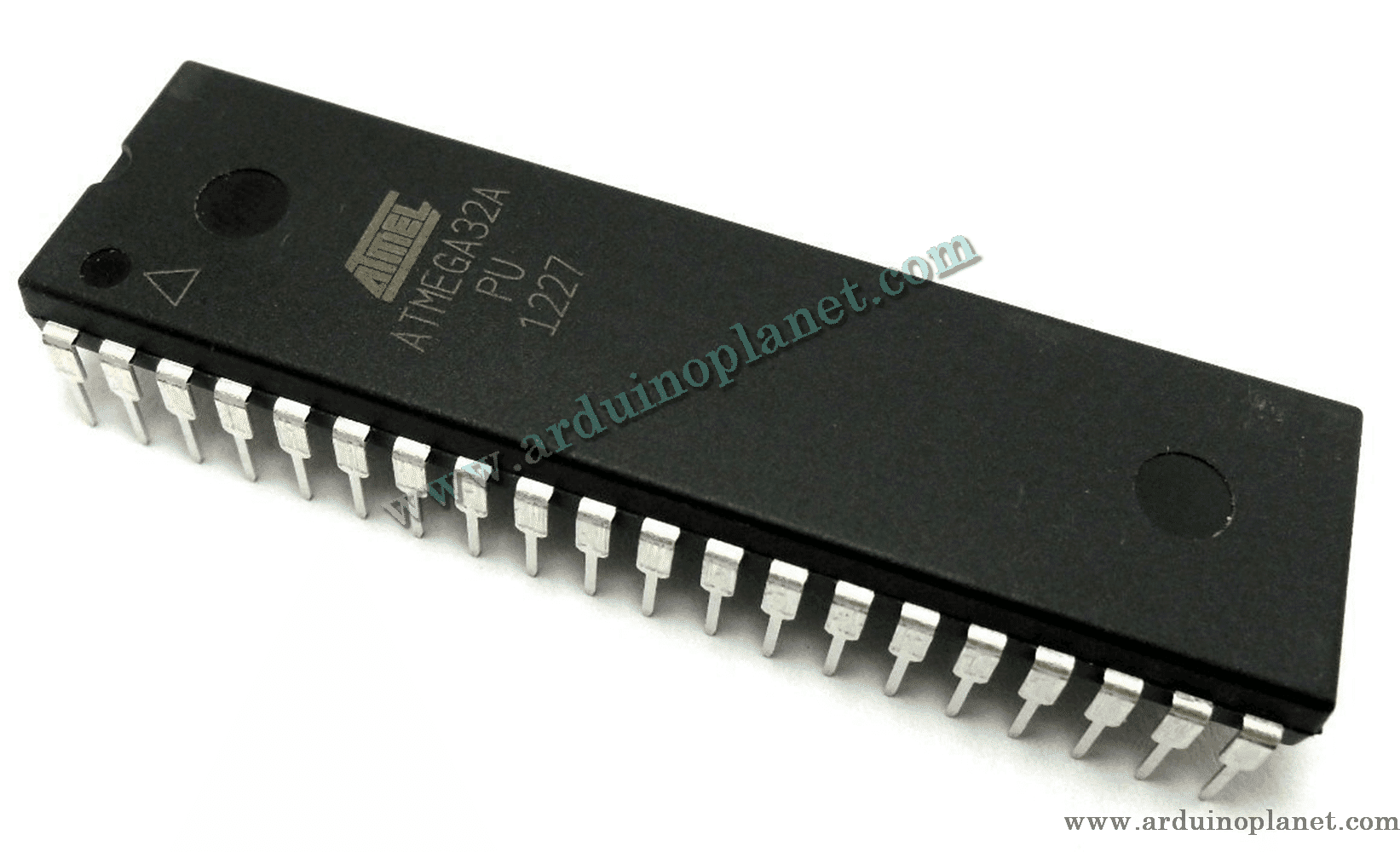
The ATMega32 microcontroller is a powerful and flexible component, widely used in electronics development projects and embedded systems. It offers substantial processing capacity and a range of integrated features.
Specifications:
- Microcontroller: ATMega32
- Clock frequency: Up to 16 MHz
- Flash memory: 32 KB
- EEPROM memory: 1 KB
- SRAM: 2 KB
- I/O pins: 32 input/output pins
- Timer blocks: 3 (2 × 8-bit, 1 × 16-bit)
- Interfaces: UART, SPI, I2C
- ADC channels: 8 channels, 10-bit
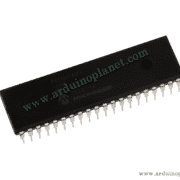
- Package: 40-pin DIP
How it works:
The ATMega32 microcontroller executes instructions from its flash memory, processes data in SRAM and communicates with peripherals through its many I/O pins. It can be programmed and reprogrammed for a variety of electronics projects.
Applications:
- Educational electronics projects
- Embedded systems and prototyping
- Industrial automation and control
- Robotics projects
- User interfaces
How to use it:
- Programming: Use a compatible AVR programmer, such as USBasp, and Atmel Studio to program the microcontroller.
- Power: Connect a 5 V DC supply to Vcc and ground to GND.
- Connections: Use the I/O pins to connect sensors, actuators and other peripherals.
- Development: Write and upload your code through Atmel Studio, using the appropriate libraries for the peripherals in use.
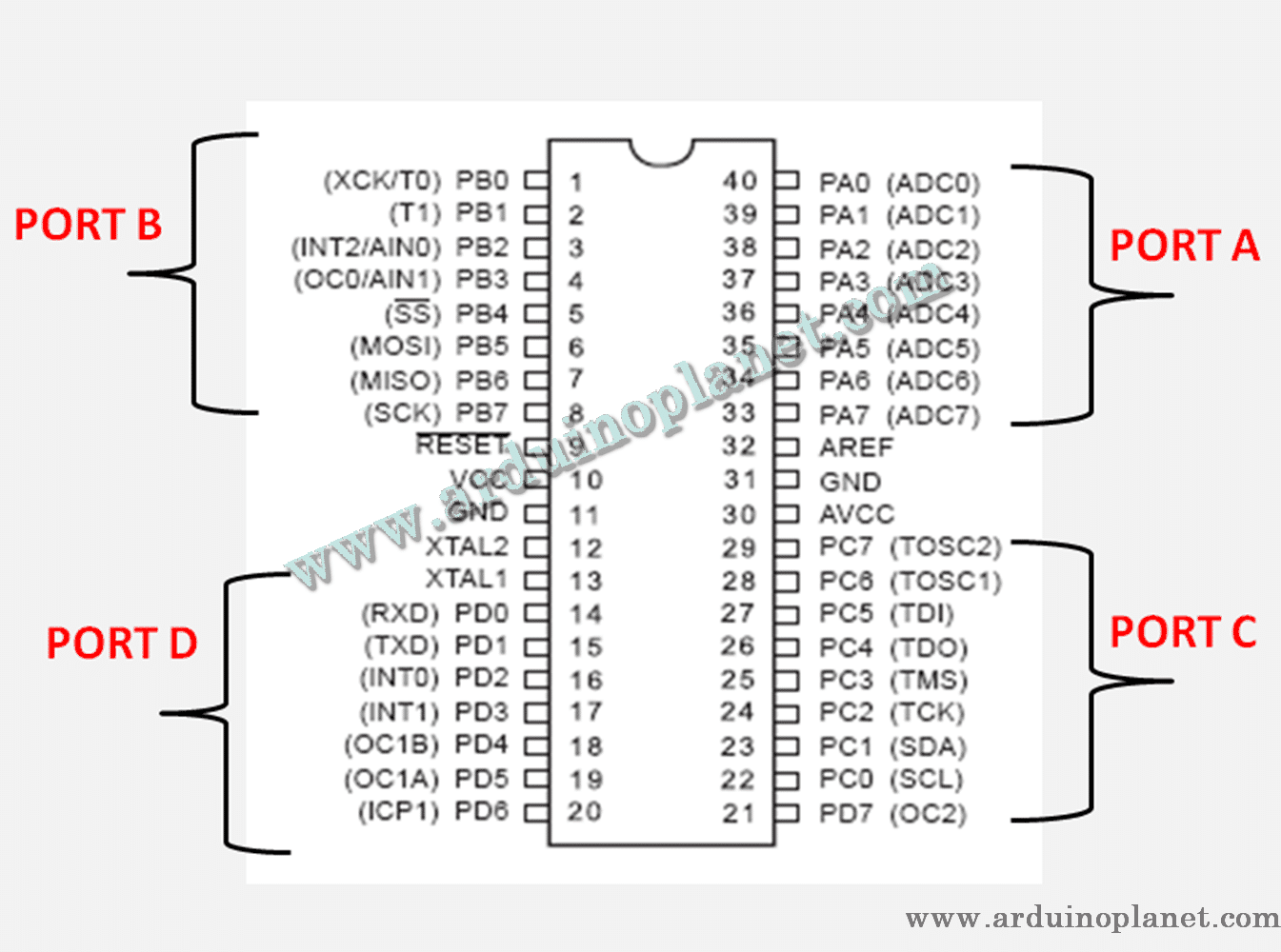
Pinout: Pinout diagram for the ATMega32 (DIP 40):
- Vcc: Pin 10
- GND: Pins 11 and 31
- RESET: Pin 9
- XTAL1: Pin 12
- XTAL2: Pin 13
- ADC: Pins 40 to 33 (PA0 to PA7)
- I/O: Pins 14 to 30 (PC0 to PC6, PD0 to PD7)
Keywords: atmel, avr, development, programming, flash.