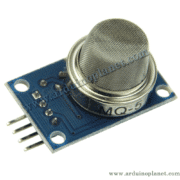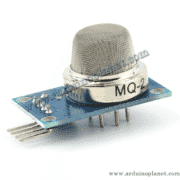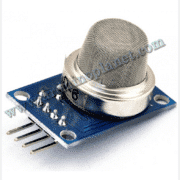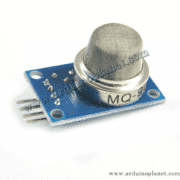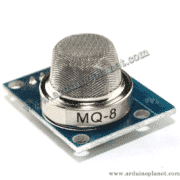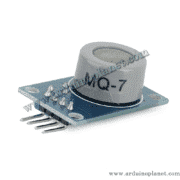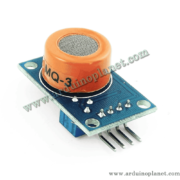
Description
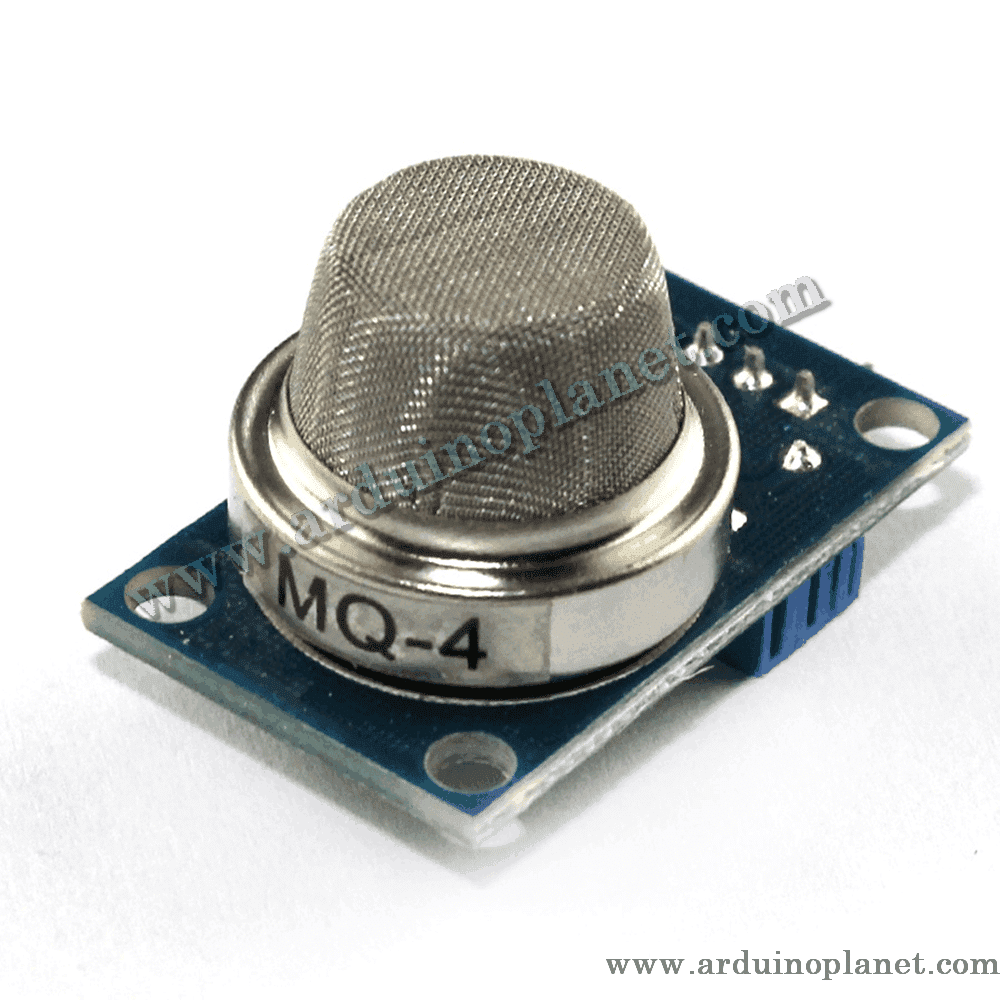
MQ-4 Methane and Natural Gas Sensor Module
This module uses an MQ-4-family tin-dioxide semiconductor sensor that responds primarily to methane (CH₄), including natural-gas mixtures. It is suitable for learning and prototyping. Its response can also be affected by other gases and environmental conditions, so it is not a selective or calibrated gas analyzer.
🔧 Sensor reference specifications
- Sensor type: semiconductor (SnO₂)
- Primary target: methane (CH₄)
- Manufacturer-stated MQ-4 detection range: 300–10,000 ppm CH₄ under specified test conditions
- Heater supply: 5.0 V nominal under the manufacturer’s standard test circuit
- Heater consumption: up to approximately 1 W in the cited specification
- Sensitivity: adjustable on some module boards; verify the supplied version
The detection range is a sensor specification under stated laboratory conditions; it does not mean that this breakout produces accurate ppm readings out of the box. Module output circuitry and labels vary. The French listing also mentions LNG, alcohol and cooking/cigarette smoke; those should not be interpreted as selective or guaranteed detection claims for the MQ-4. The manufacturer identifies methane as its primary target.
⚙️ Warm-up and calibration
The sensing element is heated. The manufacturer specifies a preheat period of at least 48 hours for its standard test conditions. Allow readings to stabilize and calibrate the specific setup before comparing results. Sensitivity changes with temperature, humidity, airflow, sensor age and interfering vapours; one threshold or raw analog value cannot reliably identify a leak concentration.
🔌 Typical breakout connections
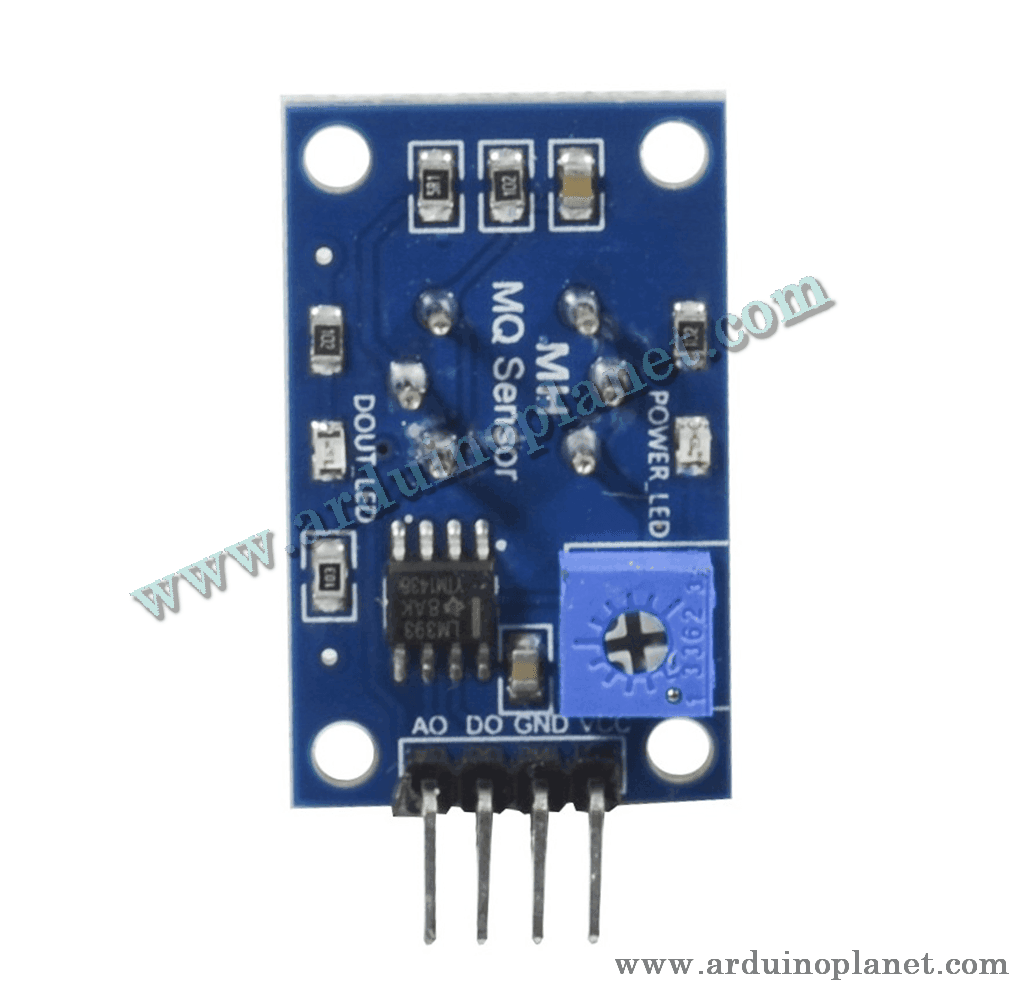
Follow the printed labels on the actual board; common breakout boards provide VCC, GND, analog output (AO) and a comparator-based digital output (DO). The sensing circuit/heater commonly uses 5 V, and the heater can draw close to 1 W. Use an appropriately rated supply, connect grounds as required, and check the output voltage before connecting it to a 3.3 V-only microcontroller input. Use a divider, level shifter or protected input where needed.
💡 Suitable prototype uses
- Demonstrating methane-sensor response in a supervised setting
- Microcontroller analog-input and threshold-comparator exercises
- Non-critical trend monitoring experiments
Safety notice: this hobby module is not a certified natural-gas or methane alarm, industrial monitor or life-safety device. Do not rely on it to detect a leak or protect people or property, and do not replace approved alarms with it. Use certified equipment and follow local safety rules for real gas detection. Never release methane or another flammable gas intentionally for testing.