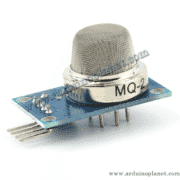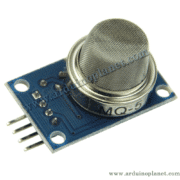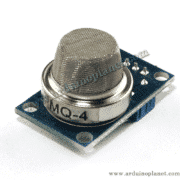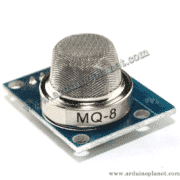
Description
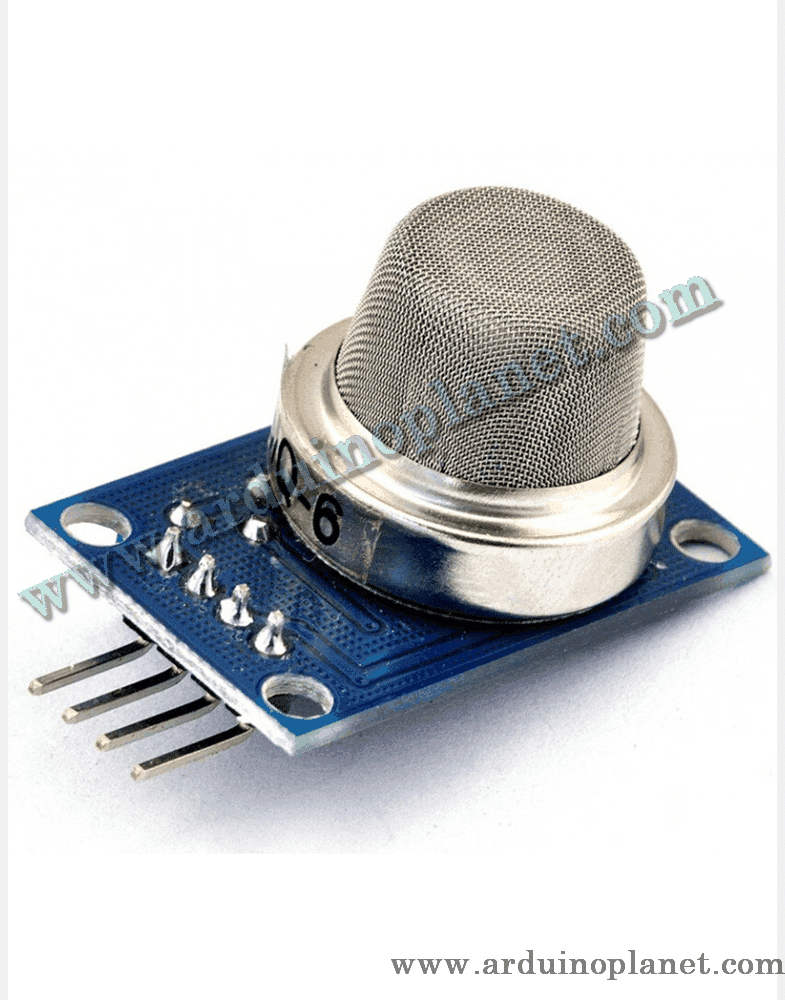
MQ-6 LPG and Propane Gas Sensor Module
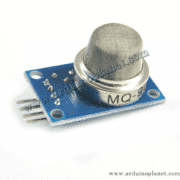
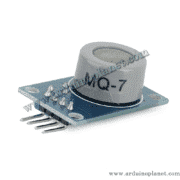
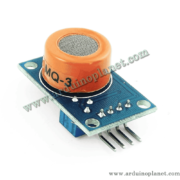
This module uses an MQ-6 tin-dioxide semiconductor gas sensor, with strong sensitivity to LPG/propane. It can also respond to other combustible gases, including butane and methane, but the sensor is not selective enough to identify a gas mixture without a properly designed and calibrated measurement system.
🔧 Sensor reference specifications
- Sensor type: semiconductor (SnO₂)
- Primary listed target: LPG / propane
- Manufacturer-stated test range: 300–10,000 ppm propane under specified test conditions
- Heater supply: 5.0 V nominal
- Heater power: up to approximately 950 mW in the cited specification
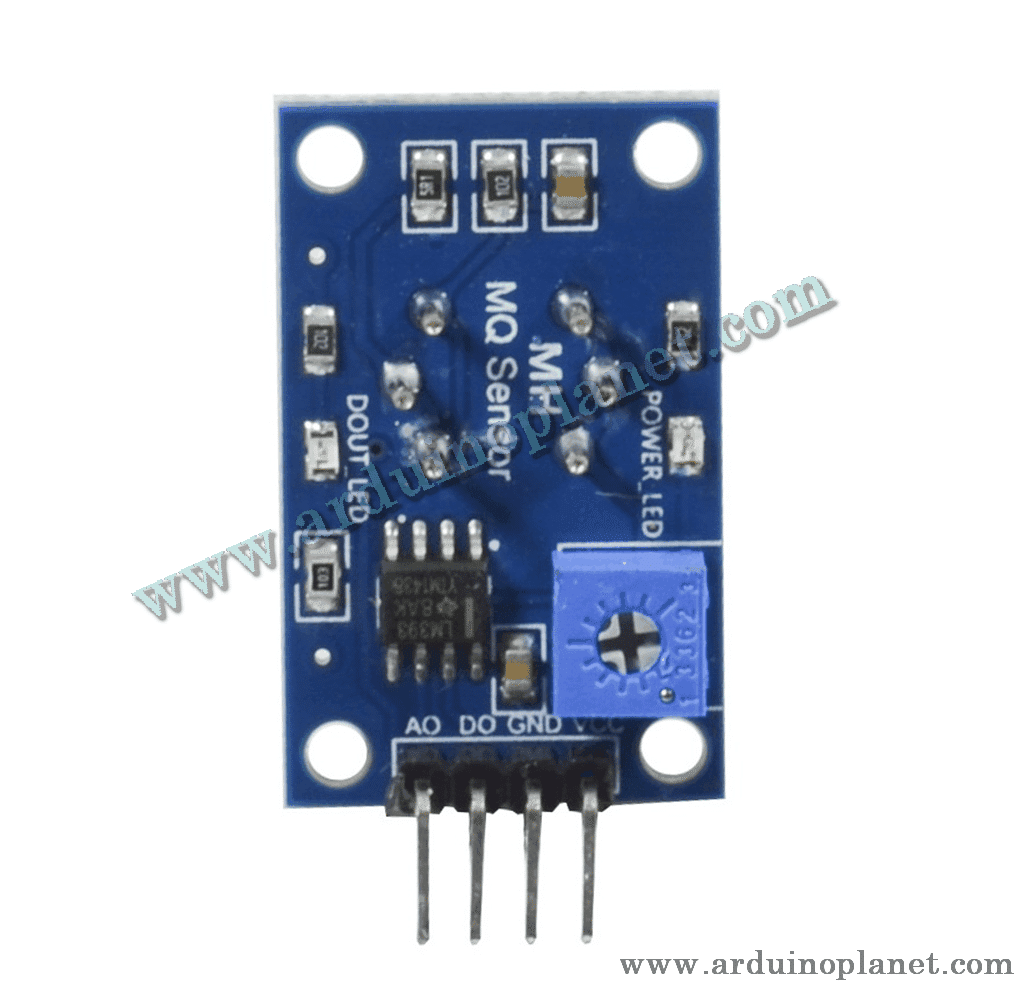
- The module may provide adjustable sensitivity; check the supplied board
These are sensor-manufacturer test specifications, not a guarantee of calibrated ppm output from this breakout. The board’s analog/digital outputs and comparator circuit can vary by version.
⚙️ Warm-up and calibration
The sensing element is heated. The manufacturer specifies a preheat period of at least 48 hours for its standard test conditions. Allow readings to stabilize, and calibrate the complete sensor and circuit before setting thresholds. Temperature, humidity, airflow, sensor age and interfering gases can affect readings.
🔌 Typical module connections
Follow the actual board labels; common breakouts provide VCC, GND, analog output (AO) and a comparator-based digital output (DO). The heater normally uses a stable 5 V supply and can consume close to 1 W. Do not power it from a microcontroller GPIO. Check AO/DO voltage before connecting to a 3.3 V-only input; use suitable level shifting or protection as needed.
💡 Suitable prototype uses
- Supervised demonstrations of combustible-gas sensor response
- Microcontroller analog-input and comparator experiments
- Non-critical trend-monitoring prototypes
Safety notice: this hobby module is not a certified LPG/leak alarm, industrial monitor or life-safety device. Do not rely on it to detect a leak or protect people or property, and do not replace approved alarms with it. Use certified equipment and follow local safety requirements for real gas detection. Never release flammable gas intentionally for testing.