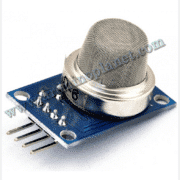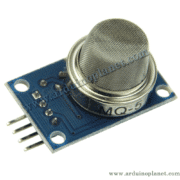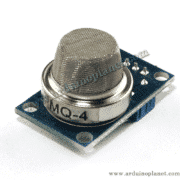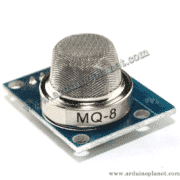
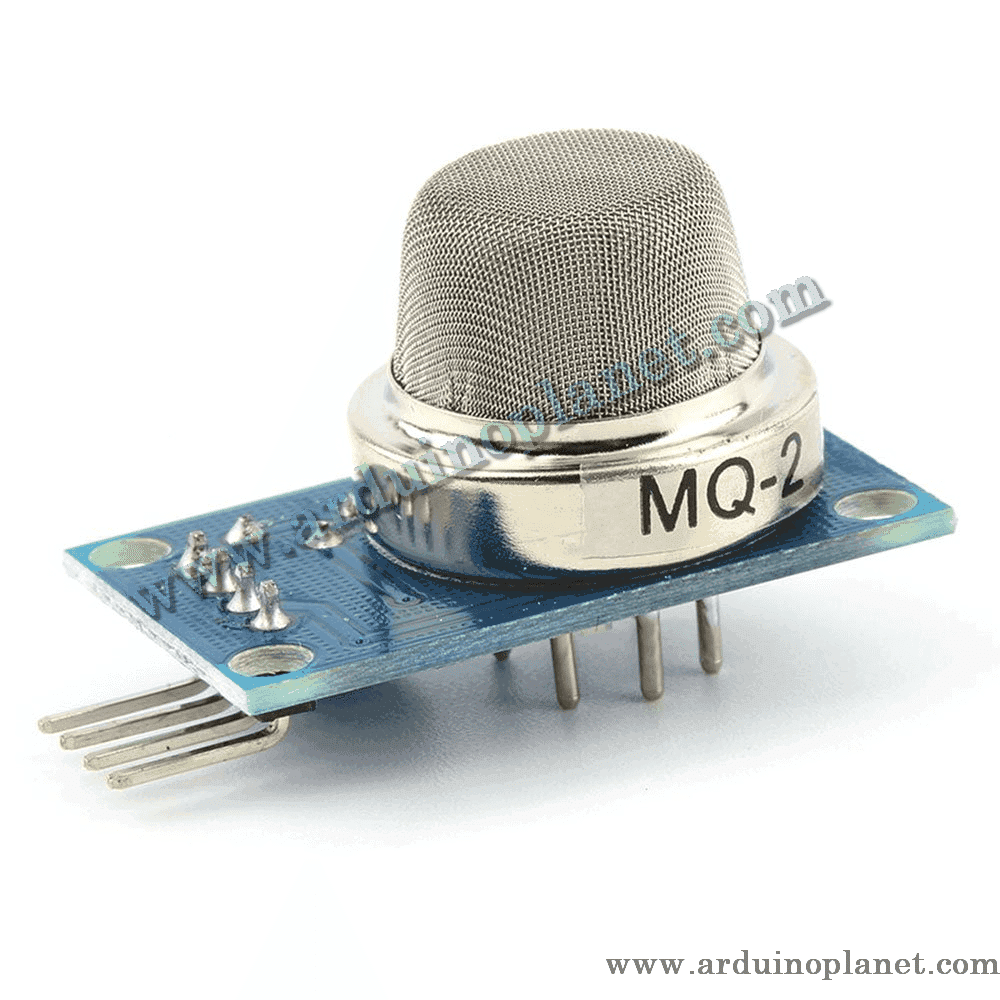
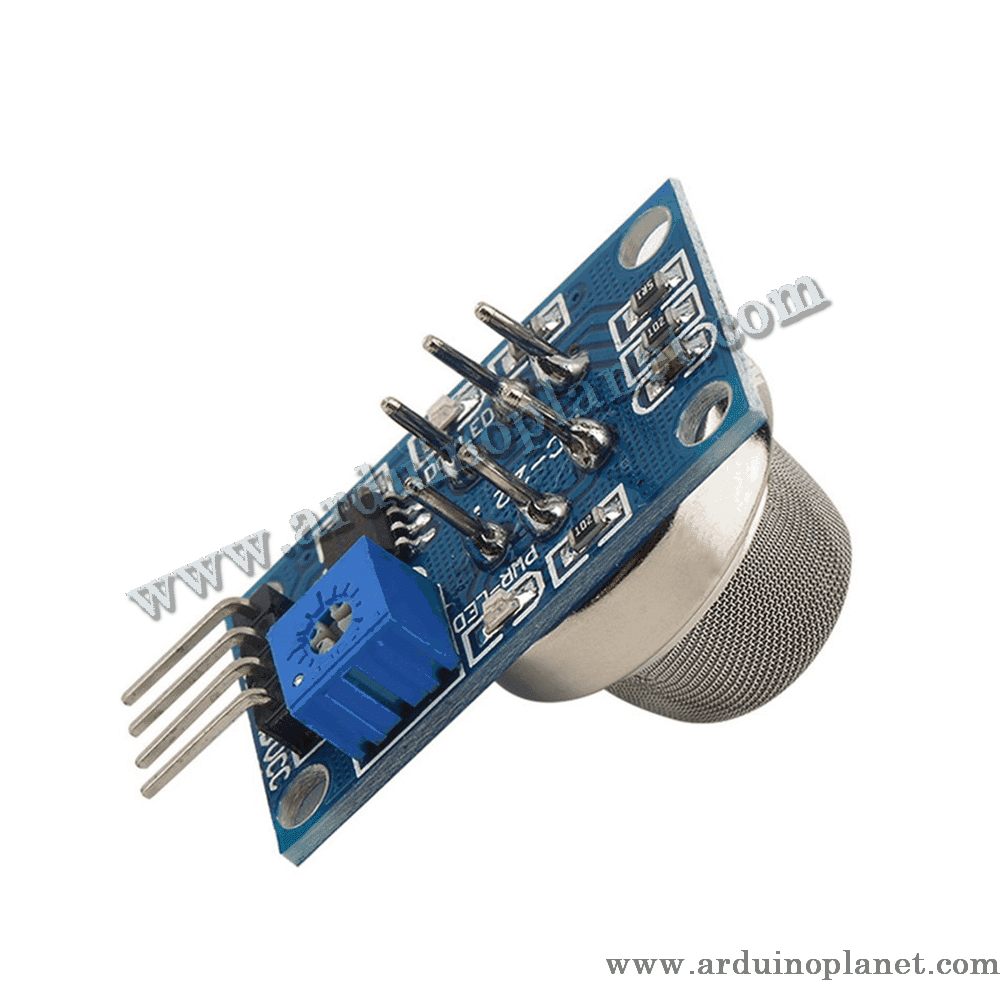
Description
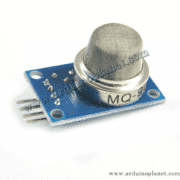
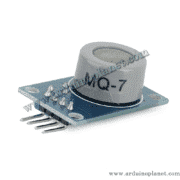
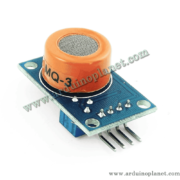
MQ-2 Combustible-Gas and Smoke Sensor Module
This module uses an MQ-2 tin-dioxide semiconductor sensor for experiments with combustible gases and smoke. Its response is broad and can vary with gas type, concentration, temperature, humidity, sensor age and calibration. It is useful for learning and prototyping, but it does not identify a gas with laboratory selectivity.
🔧 Sensor information
- Sensor type: semiconductor (SnO₂)
- Manufacturer-stated target: combustible gases and smoke
- Manufacturer-stated test range: 300–10,000 ppm for combustible gas under specified test conditions
- Heater supply specified for the sensing element: 5.0 V
- Sensitivity adjustment: the supplied module may include an adjustable potentiometer; confirm the actual board
- Output and pin arrangement: vary by module version; check its printed labels
The concentration range above is a sensor-manufacturer test specification, not a guarantee that this breakout provides calibrated ppm readings. Many modules expose an analog output and a threshold-comparator digital output; available outputs depend on the exact board.
⚙️ Operating notes
The sensing element has a heated surface. Allow it to warm up and stabilize before taking readings. The manufacturer specifies a preheat period of at least 48 hours for its stated standard test conditions; short-term classroom demonstrations may show changing readings and should not be treated as calibrated measurements. Recalibrate when conditions or the sensor change.
MQ-2 responds to several combustible gases and smoke, with different sensitivities. A single reading cannot reliably distinguish LPG from propane, hydrogen, methane, alcohol vapour or smoke. Ambient humidity, temperature, airflow, contamination and heater voltage also influence output.
🔌 Typical module wiring
Use the labels on the actual breakout because pin names and order vary. A common module provides VCC, GND, AO (analog output) and DO (threshold-switched digital output). The heater normally requires a stable 5 V supply; check the module documentation and do not exceed your microcontroller’s input voltage on AO or DO. A 5 V output must not be connected directly to a 3.3 V-only GPIO unless the input is protected or level-shifted.
💡 Example applications
- Educational demonstrations of semiconductor gas-sensor response
- Combustible-gas or smoke trend experiments in a supervised prototype
- Microcontroller analog-input and comparator exercises
- Non-critical indoor-air sensing experiments
Important safety notice: this hobby module is not a certified smoke detector, LPG alarm, industrial gas monitor or life-safety device. Do not rely on it to protect people or property, detect a leak, or replace approved alarms. For real gas or fire protection, install certified equipment and follow local safety requirements. Never intentionally release combustible or toxic gas for testing.