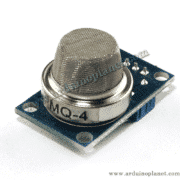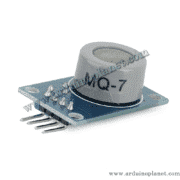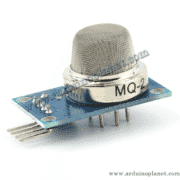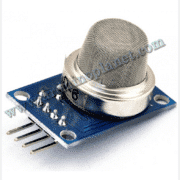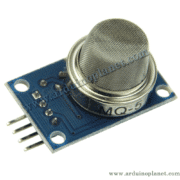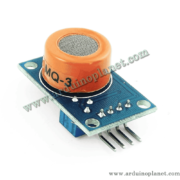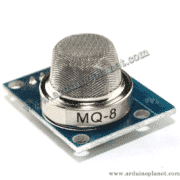
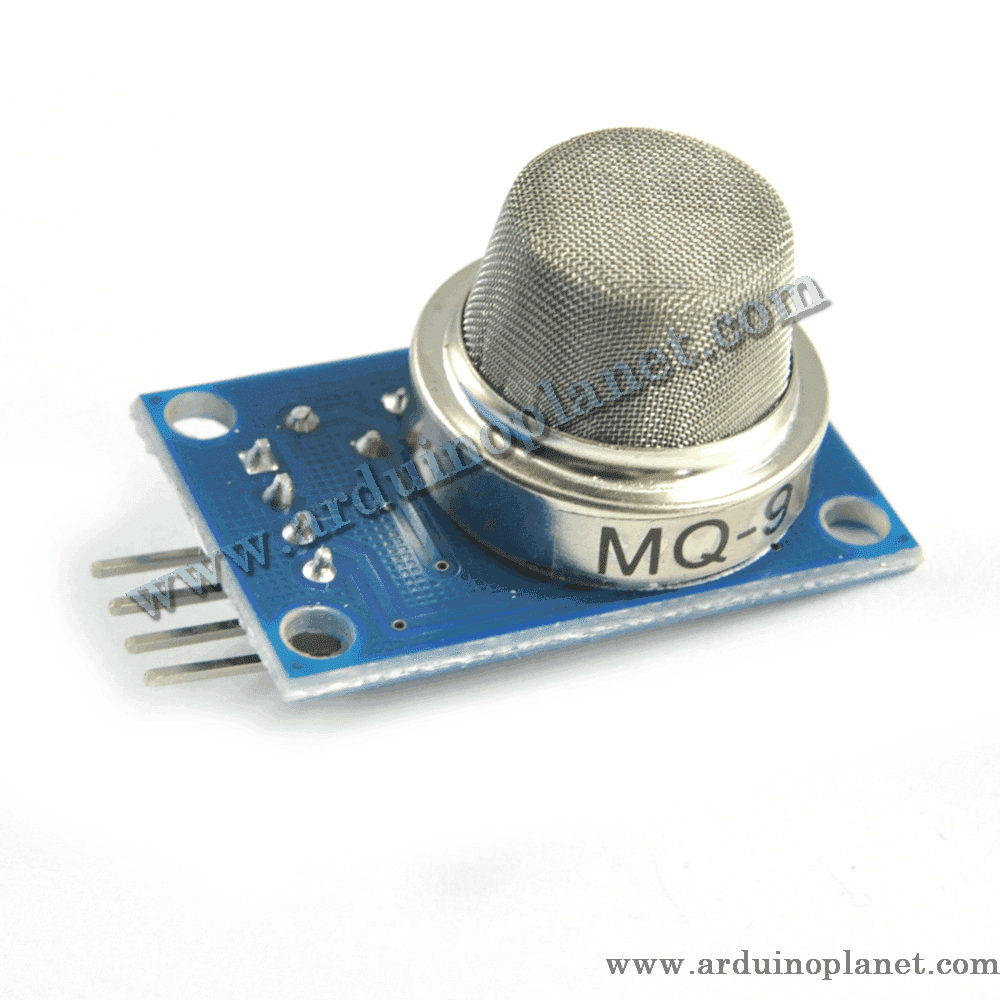
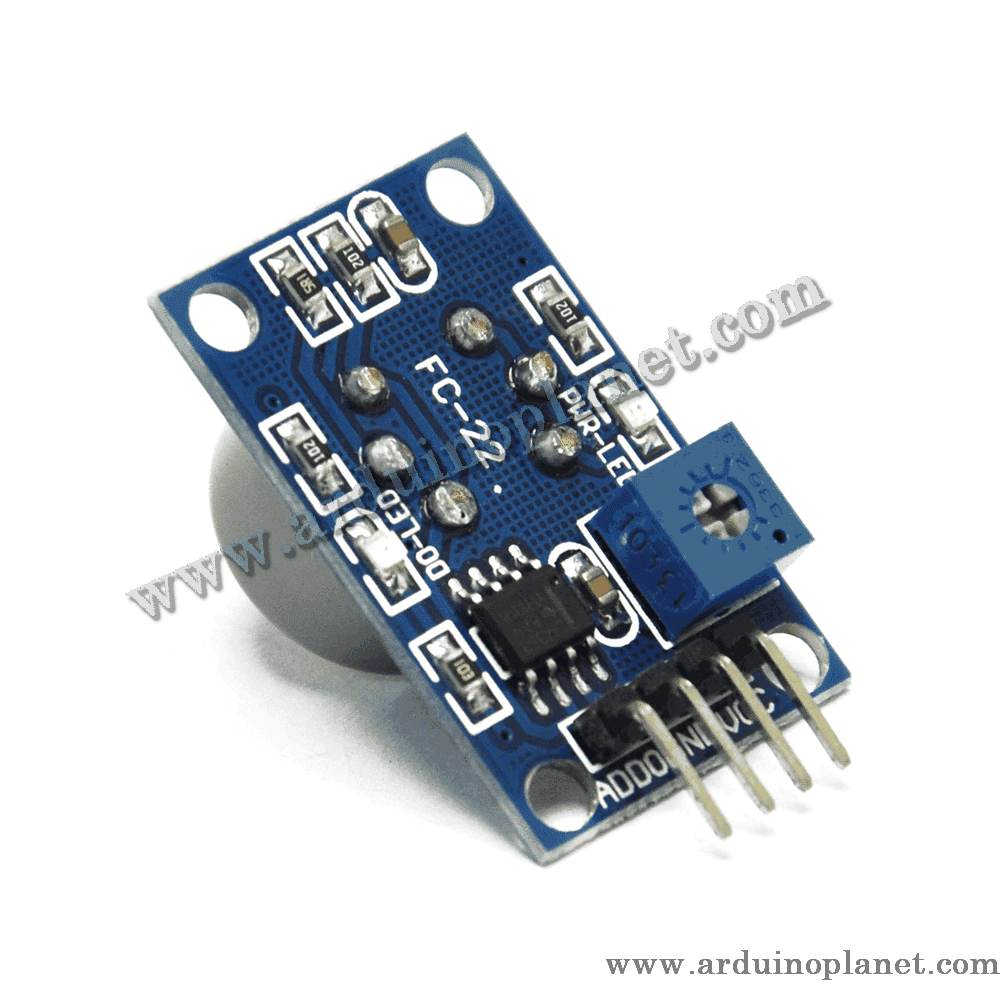
Description
MQ-9 Carbon Monoxide and Methane Sensor Module
This module is listed for carbon monoxide (CO) and methane (CH₄) sensing. MQ-9-family semiconductor sensors respond to changes in these gases, but readings depend on the exact sensor, heater-control cycle, calibration and environmental conditions.
🔧 Sensor reference specifications
- Sensor type: semiconductor gas sensor
- Manufacturer-stated MQ-9B targets: carbon monoxide and methane
- MQ-9B reference ranges: 10–500 ppm CO and 300–10,000 ppm CH₄, under specified conditions
- Heater cycle reference: 5.0 V high-temperature phase for 60 seconds, then 1.5 V low-temperature phase for 90 seconds
- Heater power: up to approximately 950 mW in the cited reference
The source lists the sensor as MQ9; verify that the supplied sensor is the MQ-9B variant before applying MQ-9B values. The range is a sensor test specification, not a guarantee that the breakout provides calibrated concentration readings.
⚙️ Heater-cycle requirement
The MQ-9B reference detects CO during the low-temperature phase and uses the high-temperature phase to clean the sensing surface. A fixed 5 V heater supply does not implement this cycle. Confirm that the exact module includes suitable heater switching/control, or follow the sensor manufacturer’s circuit and timing requirements. Allow adequate initial preheat and calibrate the complete setup.
🔌 Board and microcontroller notes
Board pinout varies; follow the printed labels. Some breakouts provide VCC, GND, analog output (AO) and comparator-based digital output (DO). Check the actual heater supply requirements and output voltage before connection. Protect 3.3 V-only microcontroller inputs from any 5 V signal.
Safety notice: carbon monoxide is poisonous and odorless; methane is flammable. This hobby module is not a certified CO/methane alarm, industrial monitor or life-safety device. Never rely on it to detect a leak, prevent poisoning or replace approved alarms. Install certified CO alarms and use certified gas-detection equipment for real hazards. Do not generate or release CO or methane for testing.